When you eventually get there the end result is often fantastic: your brand or key messages can reach millions of people on TV or radio. But the journey there can be a bumpy road. This blog looks at some of the obstacles – and possible ways round them – that can mitigate some of the stress and hurdles.
Hold your nerve
First of all, broadcast PR is all about holding your nerve, because often the decision to run a story is not made until the last minute. We advocate starting the sell-in to television and radio about a week before the story. That sounds like a contradiction but the reason for this is two-fold. Firstly, if you want national coverage you stand the best chance if you get your story on their weekly planning meeting. Secondly, BBC regional stations do buck the trend a little, in that they can begin booking in guests for mid-morning programmes several days in advance. Radio is marginally more predictable than TV; with the latter we say coverage is never a given until you see it go out on-air.
Fine tune your spokespeople
Note my use of the plural. If you want multiple opportunities across radio AND television you probably need more than one spokesperson. That’s because most broadcast PR opportunities happen earlier in the day, therefore there’s a greater chance that timings will clash and your spokesperson, singular, will need to be in two places at once. Add to this the fact that BBC Breakfast (and BBC Radio 5 Live) are in Manchester and you need to put logistics into the mix too.
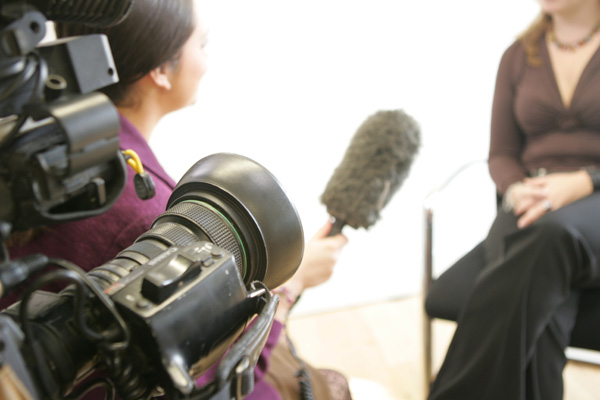
Ensuring any spokespeople are truly willing and available to do interviews is also crucial. See above: broadcasters often make a last minute to do a story, so when they give the go ahead you have to jump at the opportunity.
For television, think pictures
TV is all about the visuals. PR opportunities on TV are likely to be on the news or day time programming, so this means either giving journalists the opportunity to film things that illustrate the story, or B-roll. For anyone who has read a blog I’ve written before, scroll down (I’m always banging on about the virtues of B-roll), if not then let me explain: B-roll is around 6-8 minutes of roughly edited footage that illustrates a story, produced by companies like Shout! Communications, and given to journalists free of charge and any copyright issues. For more on B-roll see something I prepared earlier, here.
A news package generally consists of 3-4 short sequences of pictures and generally (speaking as a former journalist myself) broadcasters are grateful for suggestions that will help bring a story to life.
Think like a journalist
The secret to success when it comes to broadcast PR is making life easier for your targeted journalists. Press releases that read like a radio cue or TV news introduction, an understanding of what is required logistically and a gut feeling for what broadcasters like – or don’t like – all help. Spokesperson availability and a willingness on the part of all involved to move quickly should therefore clinch it.
If you’d like to discuss an upcoming broadcast PR campaign that you’re considering outsourcing give me a call on 020 7240 7373 or email me: keren@shoutcommunications.co.uk.


