Forward planning your radio day
The first thing to think about when planning your radio day is when. Plan ahead and see if there are any news events coming up which might spark interest in your story and that you could use as a peg. A Royal wedding, for example, could be a hook for a new dating app. That said, you also need to make sure that your radio day doesn’t clash with any big event too; run the dating app story BEFORE the wedding, don’t do it on the actual big day when the news agenda will be crammed. The news agenda changes constantly but some stories, such as the Budget, or an election, will be set in stone.
Another thing worth thinking about is the angle of your story and how you want to relate research or subject to the branding. Broadcast works differently from print and this often means you need to consider how the story can be picked up. We can of course help with re-writing press releases to tailor them for broadcast. Which day of the week and time of your radio day also needs careful consideration too. Tuesday to Friday works best for broadcast and if it’s a bit of a feature story then aim for the end of the week, when broadcasters often adopt a lighter tone.
That said, if you’re selling into print on the Sundays, so need your radio coverage to run on a Monday all is possible, but coverage may be less than you’d have got later on in the week. Mondays tend to favour hard news story, plus any big stories that have broken over the weekend are also going to get an airing, so it is a competitive day. Going for later in the week allows the news agenda to settle down so your story won’t get lost in the crowd. Similarly, we advise our clients to embargo their story until 0001 so we can aim for the highly listened to early morning/breakfast radio programmes. Later in the day breaking news stories can push PR generated ones out. Get in early, get your message across and the job is done!
Appealing & appropriate spokesperson
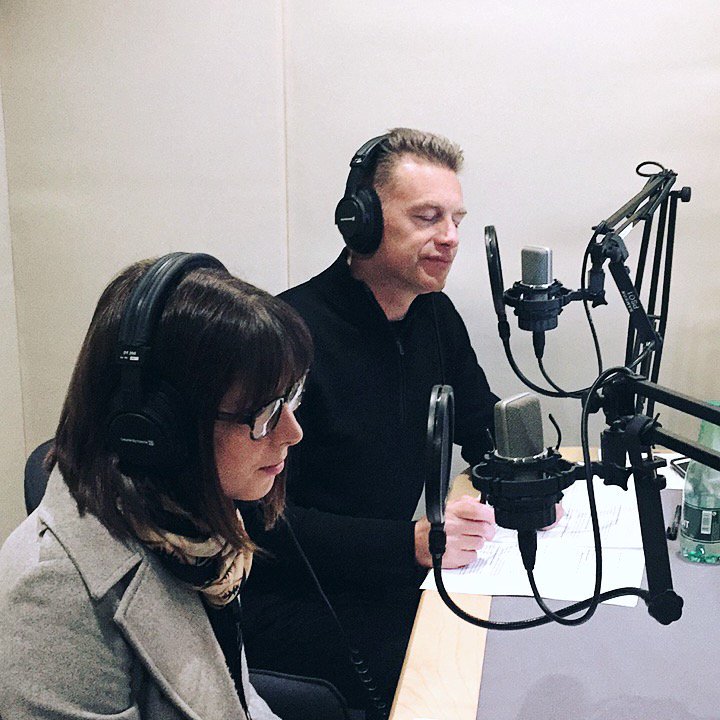
Arguably the most important aspect of your radio day is going to be who you have behind the microphone. Some celebrities or experts are made for certain stories, and with the right budget and quick action, you could secure a great spokesperson for your story. To give an example, finding a TV or radio personality who is known for appearing on cooking or food programmes would be great for a health story about dieting, healthy eating and so on. If possible, the spokesperson should always be someone who is relevant and still active within their field. Of course, you can’t always expect to land A-list celebrities but, to give another example, using a household name personality who still regularly appears on TV will be better than a ‘YouTuber’ or social influencer who is only known to a certain demographic, even if their understanding of the topic is greater. A well written, thought-provoking release coupled with a knowledgeable and charismatic spokesperson are the best ingredients for a radio day.
Similar to the radio day, vox pops are a great addition to PR campaigns. Check out our previous blog on vox pops here.
Timings and availability
Going back to the planning aspect of your radio day, you need to consider the timings and availability of several elements – yourself, your story, the spokesperson, the broadcasters and us! It’s all well and good landing the perfect spokesperson for your campaign but if they aren’t available until a week after your proposed embargo then you will have to reconsider. Perhaps a misconception of a radio day is that everything is planned, arranged and then actioned all within the space of a few days, which is absolutely not the case. Due to the crucial elements of timing and availability, radio days can be planned weeks or months in advance to ensure that there is enough time to work on the finer details, such as booking your dream spokesperson and avoiding events which will dominate headlines.
Launching all elements together
With all these elements considered, you have the recipe for a perfect radio day. Building up to the day itself, we will be in constant contact making sure that everything is in place for the session to go off without a hitch. Once we have your perfectly tailored press release, the ideal spokesperson and a clear date in the diary booked, your radio day will undoubtedly go off with a zing. If you’re considering including broadcast and a radio day in your PR campaign, don’t hesitate to get in touch. You can give us a call on 02072407373 or email kate@shoutcommunications.co.uk.