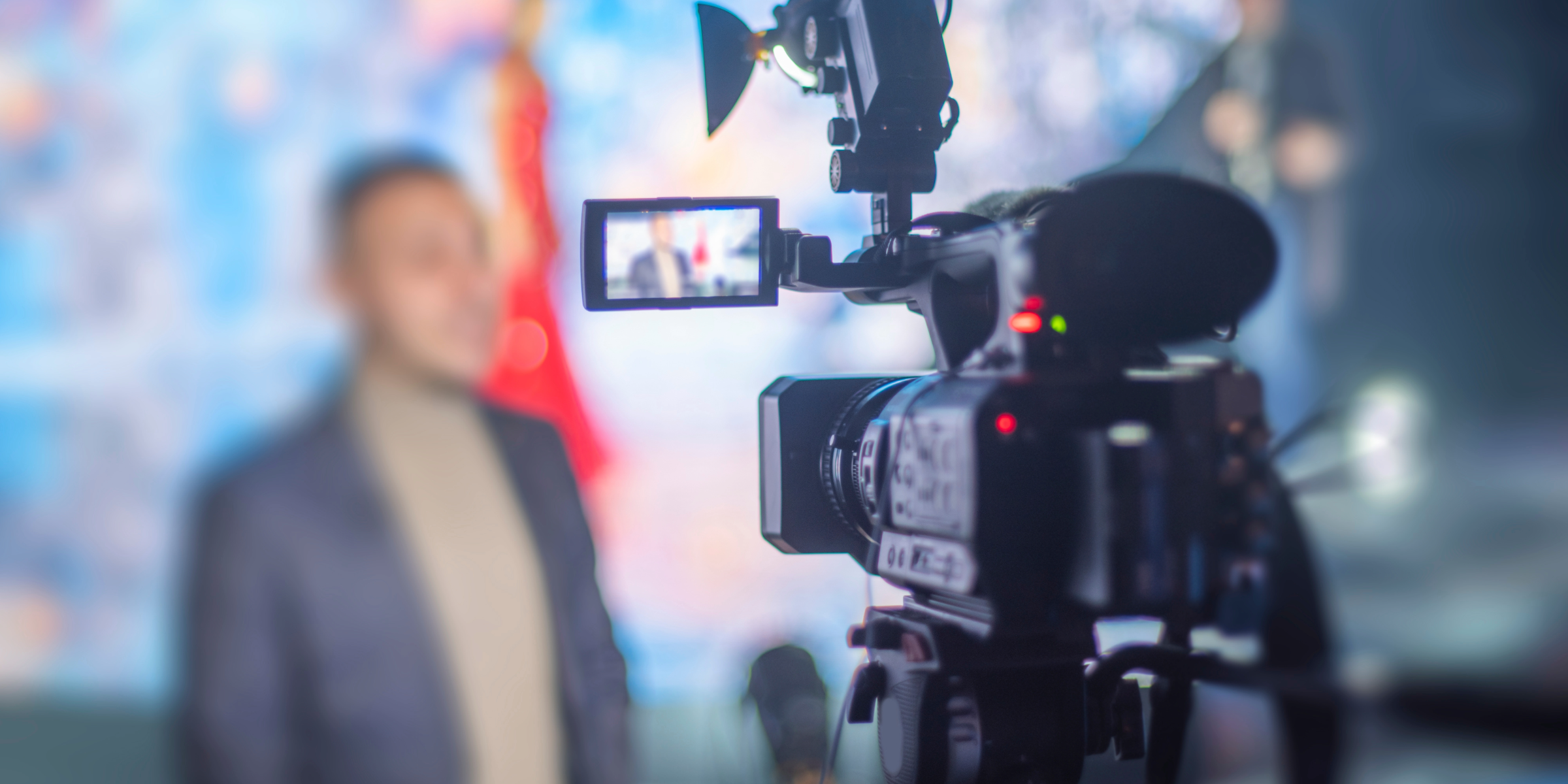
Congratulations, you’ve been booked for a broadcast interview! If after reading this sentence, you are feeling more anxious than excited, this is the blog for you.
Being asked to appear on radio, TV or a podcast presents a fantastic opportunity for a brand or a charity to connect with their desired audience.
However, the prospect of putting yourself in front of a camera or microphone can be daunting. After all, it is possible that something may not go to plan, think unexpected questions, time constraints or even technical difficulties.
In this blog, we are going to look at the essential tips and training necessary to navigate media interviews, making what can be perceived as a high-pressure environment into a powerful opportunity to connect with the audience.
The importance of media training
In the spotlight
You are being put forward for broadcast interviews because you are an expert in your field, but appearing in front of the media requires a different set of skills. It is a mistake for organisations to believe that a spokesperson can just “wing it” during an interview. In fact, lack of training and preparation can lead to reputational damage, miscommunications, and even missed opportunities.
This is when professional media training comes in, as it is designed to provide the tools and techniques a spokesperson needs to be able to perform well in front of the media.
Media training will boost your confidence by giving you the context you need to understand how the interview process works and allowing you to practice responses to anticipated questions.
And it is by practising these responses that you will learn how to turn complex information into clear and concise soundbites. You will also be able to identify potential questions, even challenging ones, and prepare to deal with them ahead of time.
Why you should be media trained
Interview training also provides you with techniques that will empower you to control the narrative of the interview. These bridging techniques will prove very useful when the interviewer wants to take the conversation off-topic, as you will want to bring it back to a place where you can deliver your key messages.
Non-verbal communication is another point which will be covered during media training sessions. Body language is key when you appear in front of a camera, from the position of your hands to where you look, what you do with your body is as important as what you are saying. And when it comes to radio, you’re not off the hook in this sense, you should then pay attention to the tone of your voice and the speed of your delivery.
Media training will also give you the tools and confidence you need to handle a crisis, which is often the difference between recovery and further damage.

Essential tips to master media interviews
Know your Key Messages
Before any media appearance, you need to know what the main objective of the interview is. Perhaps it is to raise general brand awareness, launch a campaign, or promote a new product or service. Or maybe you are trying to win back the audience’s trust after a crisis.
As well as the main objective, you also need to be aware of what your key messages are. These should be concise, memorable and support what you are trying to achieve with the interview. In an ideal world, you should go know 2-3 key messages and be ready to at least bring one of them up in the conversation.
The key messages will help you steer the chat, and they will also be very useful if you have to deflect from a tricky question.
Understand the medium and your audience
When you are preparing for an interview, ask yourself: Who will you be talking to?
The audience watching Business Today on BBC News at 05:30am will be different than that tuning into This Morning at 10am, and so your approach has to reflect this.
However, it is the medium that you’ll most have to adapt to. When it comes to TV, visuals matter. Pay attention to what you wear and maintain your eye contact with the person interviewing you (don’t look at the camera unless you are specifically told to!) and be mindful of your body language. Sit or stand tall and confidently, avoiding fidgeting or slumping. You can use natural hand gestures to emphasise your points, especially if this is how you would normally communicate, but avoid excessive or distracting movements. Be enthusiastic and concise, bearing in mind that most of the time you will only have about 5-8 minutes on air.
When it comes to radio, your voice is everything. You will have to put a special focus on your enunciation and tone, avoiding monotony and varying your pace in order to keep the listeners engaged. If the topic allows, it’s also a good idea to smile, as it will genuinely come across in your voice. Painting a picture with words is not easy, so avoid jargon and use examples to illustrate your points.
Meanwhile, it can be argued that podcasts are also both radio and TV. This is because most of them are released as audio and video files, and consumers can choose whether to listen or watch. This means that, when appearing on a podcast, you will have to watch your body language and eye contact as well as the tone of your voice throughout the conversation. Podcast interviews are longer too, typically anything between 10 – 45 minutes, which means that you will have to keep the audience alerted for longer.
Preparation is key
While you should always avoid coming across as scripted or robotic, preparation before an interview is crucial.
You should start by researching the programme you will appear on and the person who will be interviewing you. What is the tone of the show? Does the journalist have a particular interview style? Are they interested in some topics more than others? It is also always a good idea to listen to / watch any past editions of the programme to get a feel of what you can expect.
Once you have done this, it is time to brainstorm every possible question that could come up, especially those that can be off topic or throw you off. Put into practice how to deliver concise answers and how to bring the conversation back to your key messages.
Prepare anecdotes or examples that can bring your key messages to life. Real stories will stick in the minds of the audience and will make your points more relatable. They also help if what you’re trying to get across is too abstract or technical.
Stay calm and confident
It is normal to be a little bit nervous before a broadcast interview, even if it is not your first time. However, you should never let your nerves derail your performance.
Before the interview starts, take a few deep breaths to calm yourself, then maintain your composure throughout the conversation. Even if a question is challenging or unrelated to what you have been booked to discuss, you must maintain a calm and professional demeanour. Losing your temper or becoming defensive will not help, quite the opposite!
It is also worth remembering that you don’t have to fill every silence, that is the job of the presenter, not yours. So don’t feel like you have to keep talking once you have said everything you want to say.
And don’t forget that broadcasters are always looking for spokespeople with personality, so don’t be afraid to be yourself while behaving in a professional manner.
Ultimately, being invited to take part in broadcast interviews is an exciting and interesting experience so try to enjoy it.
Listen carefully and answer concisely
Make sure you actively listen throughout the conversation, as opposed to just waiting for your turn to speak. Ensure you understand the question fully and, if you don’t, ask for clarification.
Address the question asked, but don’t elaborate excessively if it takes you away from your key messages.
Speak in plain language that everyone can understand, not just those in your industry. If you must use jargon, explain the meaning of the word immediately after you use it for the first time.
And if you don’t know the answer to a question, don’t make something up on the spot or ignore it altogether. Be honest and say something like “I don’t have the data / specific figures to hand, but what I can say is…”, you can also offer to follow up with the producer after the interview to provide the information they are asking for.

How Shout! Communications can help
Shout! Communications has been delivering bespoke media training services to C-Suite delegates, brands, charities and business owners for 20 years. Our team of media trainers are all former broadcast journalists at national level.
If you are looking for an introduction to media training and being competent on air or honing your skills and preparing for a tough interview, we are positive we can provide the right classes for you.
For more information, call us on 020 7240 7373 or drop us an email hello@shoutcommunications.co.uk