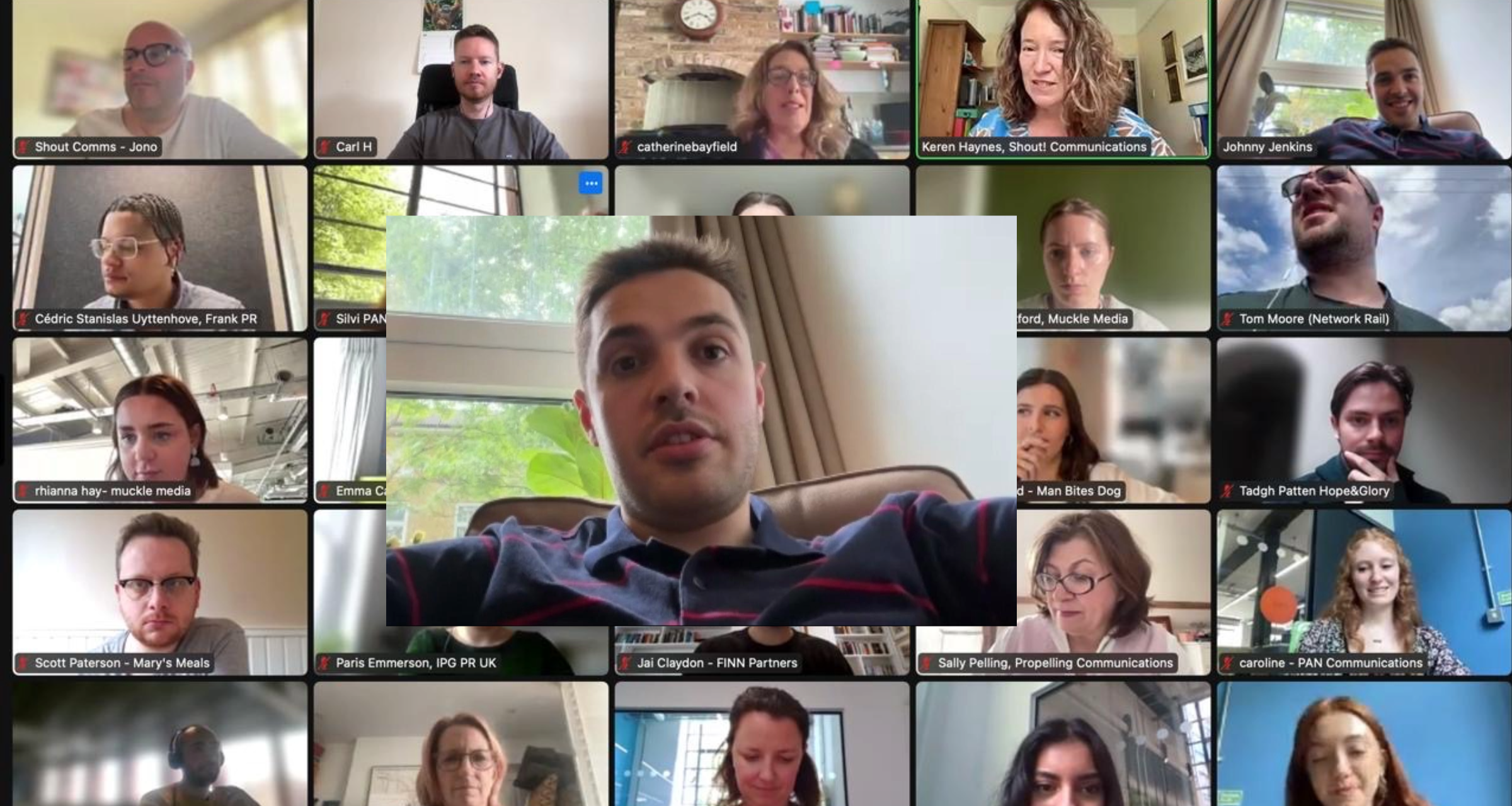
Deputy Editor of ITV’s Good Morning Britain, Sally Watson, was the latest speaker in our series of Small Talks. Sally has been there for six years, having moved from the BBC where she was in charge of planning for BBC Breakfast.
Shout! Communications’ Joint MD, Keren Haynes recounts some of what she said:
Knowing your audience
ITV’s Good Morning Britain is a breakfast programme that knows it’s audience inside out. They’re not, Sally explained, news junkies. However t they do want to know what‘s going on in the world. The programme has a family feel.
This is skewed towards women but works for men too. That generally means more domestic than foreign stories. There’s also a focus on topics such as mental health, food or the cost of living. Amusingly, Sally recounted, some of the highest rating programmes she’s ever worked on involve snow!
Household names
Having a bank of familiar presenters that the audience sets the tone for the programme. The audience follows aspects of the presenters lives on screen, making them feel closer to them, regardless of whether they like them or not.
The average age of a GMB viewer is mid 50s. That’s slightly younger than the BBC’s average news audience of early 60s.
The pandemic effect on ITV’s Good Morning Britain
As with any broadcaster, the pandemic was a game-changer. TV audiences for all channels had been in steady decline, under the weight of play on demand and online channels. But Covid-19 got more people switching their televisions back on.
Sally says their audience is currently really robust and that GMB doesn’t compete too much with play on demand, partly because of the time the programme airs – a point in the day she says when audiences either want news or cartoons.
Branding on ITV’s Good Morning Britain
Obviously if we’re placing a PR story on television we need to make sure there’s some sort of branding. It’s worth knowing then that the GMB will run any branded story past their legal team. They’ve also got advertisers, so a branded mention in any earned coverage is going to be modest. And Ofcom won’t allow over plugging too!
But sometimes a credit can be presented in a more subtle, but arguably as effective way, such as a mention on a graphic or in a video package. Importantly, no promises can be given, it can only be ‘best endeavours’.
PR use of third parties
Even using a third party celebrity spokesperson comes with caveats. Sally says a link between a celebrity and a brand must feel authentic – the spokesperson has to have a proven interest in the story, not just take the PR pound. Sally would rather we were honest with her team. Say what the celebrity can and cannot talk about before they go on air.
National coverage
GMB is very conscious about being LONDON-centric, especially as the programme enjoys strong audiences in the north of England, Scotland and Wales. Female of guests who are diverse in some way are at an advantage as ITV alongside other broadcasters tries to reflect society in a more representative way.
The programme particularly wants human interest stories and case studies. They encourage spokespeople to speak in a conversational way, with short sentences and no jargon. Talk, Sally says, as if you’re speaking to your mum in the kitchen.
Interested in attending one of our events? Make sure you’re on our mailing letter by emailing hello@shoutcommunications.co.uk.
Want to find out more about our television editorial placement? Have a look at our television PR pages here. https://shoutcommunications.co.uk/what-we-do/broadcast-media-relations/tv-media-relations/